 By Prof. Sohail Ahmed
 War has always carried consequences far beyond the battlefield, but in today’s interconnected global economy, its effects are deeper and more widespread than ever before. The recent conflict involving Iran, alongside broader geopolitical tensions, has triggered a significant energy crisis, leading to economic shocks across the world. These developments are not only affecting major economies but are also placing immense pressure on developing countries like Pakistan.
Global Economic Impact
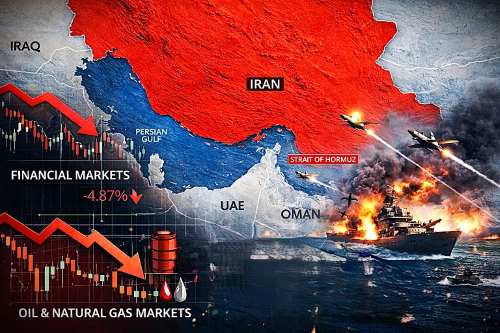
One of the most immediate consequences of war is the disruption of energy supplies. The Middle East remains a critical hub for global oil production, and any instability in this region quickly translates into rising oil prices. As tensions escalate around strategic routes like the Strait of Hormuz, global markets react with uncertainty, pushing crude oil prices upward.
Higher energy prices lead to increased production and transportation costs worldwide. Industries that depend heavily on fuel—such as manufacturing, aviation, and shipping—experience rising expenses, which are ultimately passed on to consumers. This results in inflation, reducing purchasing power and slowing economic growth.
Moreover, financial markets tend to become volatile during times of war. Investors shift their capital toward safer assets, leading to stock market declines and currency fluctuations. Countries heavily dependent on imports, especially energy imports, face widening trade deficits and increasing debt burdens.
Energy Crisis and Its Ripple Effects
The energy crisis is not limited to oil alone. Natural gas supplies, electricity generation, and fuel availability are all interconnected. As countries compete for limited energy resources, prices surge globally. This competition disproportionately affects poorer nations that lack the financial strength to secure stable energy supplies.
In Europe and parts of Asia, governments are already struggling to maintain energy security. Power shortages, rising utility bills, and industrial slowdowns are becoming more common. The crisis is gradually reshaping global supply chains and forcing countries to reconsider their energy policies.
Economic Impact on Pakistan
For Pakistan, the effects of war and rising energy prices are particularly severe. As an energy- importing country, Pakistan relies heavily on foreign oil and gas to meet its needs. When global
prices rise, the cost of imports increases significantly, putting pressure on foreign exchange reserves.
Higher fuel prices translate directly into increased transportation and electricity costs within the country. This leads to inflation across all sectors, affecting essential goods such as food and daily necessities. For ordinary citizens, this means a higher cost of living and reduced purchasing power.
Industries in Pakistan also face serious challenges. Increased energy costs raise production expenses, making exports less competitive in international markets. This can lead to reduced industrial output, job losses, and slower economic growth.
Additionally, the government faces fiscal strain. Subsidizing fuel and electricity to protect consumers becomes more expensive, while higher import bills widen the budget deficit. This creates a difficult balancing act between economic stability and public welfare.
Potential Long-Term Consequences
If the war and energy crisis continue, the consequences could become more severe both globally and for Pakistan.
At the global level, prolonged conflict could lead to a sustained period of high inflation and low growth—often referred to as “stagflation.” Supply chain disruptions may worsen, and economic inequality between nations could increase. Countries may also move toward economic protectionism, reducing global trade and cooperation.
For Pakistan, continued instability could result in a deepening economic crisis. Persistent inflation may erode living standards further, increasing poverty levels and social unrest. The pressure on foreign reserves could lead to currency depreciation, making imports even more expensive.
Energy shortages could also intensify, leading to more frequent power outages and disruptions in industrial activity. This would not only impact economic growth but also hinder development in key sectors such as education, healthcare, and infrastructure.
The Way Forward
To mitigate these challenges, countries must adopt both short-term and long-term strategies. Globally, diplomatic efforts to reduce conflict and stabilize energy markets are essential.
Investment in renewable energy sources can also reduce dependence on volatile fossil fuel markets.
For Pakistan, diversifying energy sources, improving energy efficiency, and strengthening economic resilience are critical steps. Expanding renewable energy projects and reducing reliance on imports can help cushion the impact of global shocks.