The forum has a vast agenda to be discussed in various sessions in first two days. We have selected a few highly important points that would be briefed by the moderators and the speakers will throw light on them in detail.
1-The global economy is experiencing a significant increase in interest rates, a rapid rise in inflation and price volatility in commodity markets. Most economists note serious prerequisites for a decline in economic development. An economy on the verge of a recession is unpredictable. It is very difficult to predict the depth of the fall. How long can the economic downturn last? What can the countries of Central Asia expect? What new mechanisms need to be created to support investors and business in general? Is the financial sector ready to support the real sector of the economy in a downturn?
2-Trade finance supports approximately 80-90% of global trade flows. However, there are about $1.7 trillion unfunded transactions, of which over 40% are SME transactions. Complexity of transactions and a large number of parties involved, including banks, export credit agencies limit access to SMEs to funding. Optimizing the system is vital to the global economy, which needs to create more than 600 million jobs by 2030. What should governments and international organizations do to increase SMEs’ access to trade finance tools? What is holding back the development of trade finance in Central Asia? How can digital solutions influence the development of trade finance on a global scale?
3-According to a report by Bloomberg Intelligence, by 2025, ESG assets will grow to $50 trillion from about $35 trillion currently. The ESG agenda in Uzbekistan is just beginning to gain momentum, mainly in large companies that are preparing to enter an IPO. At the same time, SMEs are not fully aware of the benefits of ESG and that the abandonment or lack of attention to the ESG agenda may already lead to lost profits and possible losses in the future. Do you need to transform your business? What practical effect can a company get from following the trend? What are the challenges and opportunities for the SME sector does the ESG transformation bring?
4-In the modern world, the quality of life of the population and global competitiveness depend on the quality of infrastructure. Infrastructure development requires significant investments.
the same time, the scale, high cost and duration of the implementation of such projects encourage governments to attract private investment by creating new tools and approaches to attract them. Infrastructure investment of 0.5% of GDP can increase output on average by 1.6%.How to adapt the regulatory environment to attract private investment in infrastructure? What government support measures are needed for the successful implementation of infrastructure projects? How to link the achievement of the country’s urbanization goals with the development of infrastructure, creating long-term guarantees for private investors?
In the modern world, the concept of money is undergoing a major transformation that can transform banking, finance, and even the structure of society.
5-Digital money can reduce cross-border payments from two to three days to less than 10 minutes, and reduce transaction costs from 6 percent of the value transferred to less than 1 percent. Letters of credit processing time reduced from 5-10 days to less than 24 hours. In capital markets, distributed ledgers can reduce the time for clearing transactions with securities from two days to less than 30 minutes.
Obviously, digital money has significant economic potential. What is holding back the development of digital money? What risks and opportunities do digital assets pose? What ecosystem for digital assets should governments create? Is the financial market of Uzbekistan ready for digital transformation?
6-Central banks and governments need to carefully adjust their monetary policy and fiscal policy to maintain the delicate balance between containing inflation and supporting economic growth. The current tightening of monetary policy in the countries of the CA region entails the risk of a liquidity crisis in business, especially in the SME sector, and negatively affects growth. National governments must take action to keep financing available to small businesses and not allow debt repayment costs to rise too high. How to achieve a balance in the process of curbing inflation and stimulating SMEs? What effective monetary policy mechanisms should regulators apply to ensure price stability, employment, and economic growth? What are the most effective measures to curb inflation that countries need to apply?
7-The Government of Uzbekistan has committed itself to generating 30% of all electricity by 2030 from renewable sources. In this regard, the country creates ample opportunities to attract private capital, including long-term guarantees for the purchase of “green” electricity. Investments in the “sun” has already reached the mark of 8 billion US dollars. What’s next? What investment opportunities will be provided to private investors?
8-Today, more than 90% of freight traffic in intercontinental trade between Asia and Europe is carried out by sea. Landlocked developing countries spend about 18% of their export earnings on transport services. What should be done by Central Asian countries to reduce transport costs? What measures are needed to increase the region’s trade with European countries? What opportunities for private investors does the policy of increasing interconnectedness between the countries of Central Asia bring?
9-The issue of creating an international financial center in Tashkent (TIFC) has a fundamental basis in terms of the heritage of the Republic of Uzbekistan. The ancient cities of the Great Silk Road Samarkand, Bukhara and Khiva with their trade infrastructure were the prototypes of modern international financial centers. Today, there are more than 130 MFCs in the world, each of which contributes to the intensification of the investment policy of the country of location and the solution of urgent problems in the development of the financial market and business environment. What key opportunities and benefits does the TIFC project create for the economy and society of Uzbekistan? How to make Tashkent a platform for attracting capital, talent and technology from all over the world? What are the first steps to be adopted to attract new categories of investors to Uzbekistan?
10-According to the McKinsey Global Institute report, if no action is taken, gender equality in the economy will be possible only after 260 years, and if measures are taken now in at least 95 countries of the world, then even minimal actions in just 10 years could lead to GDP growth by 11%. The complete elimination of gender gaps would allow increasing the global GDP by $28 trillion. It is obvious that the gender gap is a lost profit for both companies and the entire state. Uzbekistan sets a goal to increase the proportion of women in SMEs from the current 25% to 40% within the next 2 years. How is the gender agenda changing in the country and the world now? What support measures do women need to develop entrepreneurial talent? What are the challenges and difficulties they face today on their way to success?

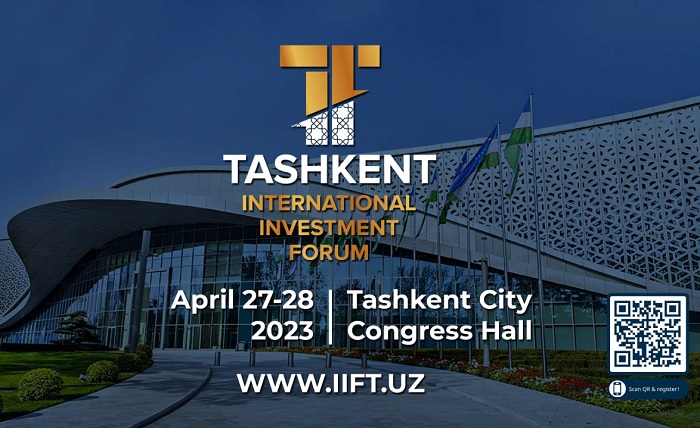
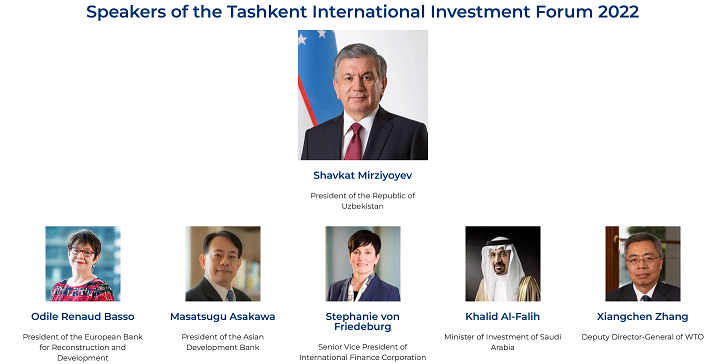 As shared by the organizers, this is no doubt a large-scale dialogue platform for the entire Central Asian region, that allows to present the investment potential of Uzbekistan to the international investment and business communities. The Forum aims to attract leaders of major foreign investment, financial and economic organizations and companies interested in integration into the dynamically developing market of Uzbekistan.