 Tazeen Akhtar | Islamabad
 Afghanistan and Pakistan, both are Muslim populated countries and both have Islamic in their state names while it is Ramzan , a sacred month of Islami calendar in which fights and wars are prohibited and a Muslim if it is Muslim or human, can never take life of another Muslim while both are fasting but here the things are total different as Pakistan has seen a series of suicide and terrorist attacks near before and in Ramzan losing more than 200 lives of soldiers, police and citizens most of who were in prayers. Unfortunately the connections of all these attacks were found in Afghanistan.
Further, unfortunate is, Afghan regime neither controls the terrorists on its land itself nor let Pakistan eliminate these enemies of humanity from the earth. When Pakistan after many requests, warnings , finding no solution from across the border, hit the hideouts of the terrorists yesternight, Afghan regime still is bent upon its stubborn stance , rather threatening Pakistan of consequences. The regime denies harboring terrorists but the actions speak othewise.
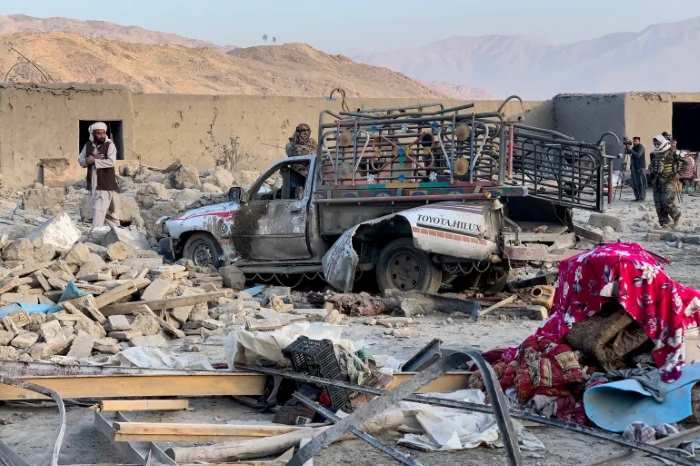
The Afghan Ministry of Defence condemned the attacks, saying they “hit a religious school and residential homes” in the border provinces of Nangarhar and Paktika, “resulting in dozens of deaths and injuries, including women and children”.when strikes hit a madrasa and homes in Nangarhar and Paktika provinces.
Afghanistan’s defence ministry said it will “deliver an appropriate and calculated response” to the Pakistani strikes. It calims a “dozens” of civilians, including women and children, were killed and wounded.
International media mostly looked having a tilt towards Afghan side. The reports by Aljazeerah , AFP, DW, Indian, Afghan media and some other outlets raised the same impression. Here are some references from these reports;
AFP journalist in Nangarhar’s Bihsud district shared the comment of a neighbour Amin Gul Amin, 37 who said “People here are ordinary people. The residents of this village are our relatives. When the bombing happened, one person who survived was shouting for help,”
“Civilians were killed. In one house, there were 23 family members. Five wounded people were taken out,” said police spokesperson Sayed Tayeeb Hammad.
Reporting from the scene of an attack in Nangarhar’s Bihsud district, Al Jazeera’s Naser Shadid said at least 17 people were confirmed killed and six others are missing under the rubble of an attacked house.
“A religious centre was also hit in this area, according to Afghanistan’s authorities, and there are unidentified number of casualties there as well,” he said.
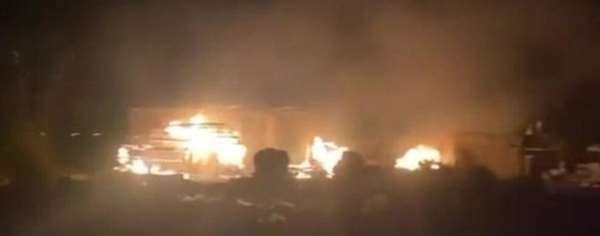 Afghan officials need to know that the terrorists do not live in isolation. They hide in between the populations and take refuge behind their families using them as human shield. Therefore, if any woman or child has been hit, the burden lies on the head of their family heads or the terrorists whom the local population has provided shelter.
Matter of fact is ,Pakistan’s military carried out air strikes targeting terrorists’ camps and hideouts belonging to armed groups behind a spate of recent attacks.
Pakistan’s Ministry of Information and Broadcasting said in a statement on X that the country’s military conducted “intelligence-based, selective operations” against seven camps and hideouts belonging to the Pakistan Taliban, also known as Tehrik-e-Taliban Pakistan (TTP), and its affiliates. An affiliate of the Islamic State group was also targeted in the border region.
The ministry said it had “conclusive evidence” that recent attacks in Islamabad, as well as in the northwestern Bajaur and Bannu districts, were perpetrated by fighters “on behest of their Afghanistan-based leadership and handlers”.
The two countries have been locked in an increasingly bitter dispute since the Taliban authorities retook control of Afghanistan in 2021.Several rounds of negotiations followed an initial ceasefire brokered by Qatar and Turkey, but they have failed to produce a lasting agreement.Saudi Arabia intervened this month, mediating the release of three Pakistani soldiers captured by Afghanistan in October.
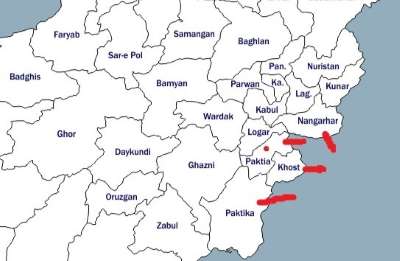 The overnight attacks were the most extensive since border clashes in October killed more than 70 people on both sides and wounded hundreds. The deteriorating relationship has hit people in both countries, with the land border largely shut for months.
Afghan authorities gave their commitment in the Doha agreement that Afghan soil will not be used by any other country,” Al Jazeera’s Kamal Hyder said, referring to the 2020 agreement Taliban signed with the United States, in the Qatari capital, Doha.
On February 6, a suicide bomber detonated his explosives during noon prayers at the Khadija Tul Kubra mosque in Islamabad’s Tarlai Kalan area, killing at least 31 worshippers and wounding 170 others. The Islamic State group claimed responsibility for the Islamabad attack.
Earlier in November 2025, A suicide attack outside a court in Pakistan’s capital Islamabad has killed 12 people and injured at least 27 others, the country’s interior minister said.
International media rightly pointed out Pakistani concerns as , “While bombings are rare in the heavily guarded capital, Islamabad, the attack on Khadija Tul Kubra was the second such attack in three months, raising fears of a return to violence in Pakistan’s major urban centres.”
The latest strikes inside Afghanistan are enough to make Kabul regime understand and absorb the reality that , they will have to do their part as pledged at Doha by improving the situation on its territory rather allege Pakistan of seeking refuge in strikes for its security failures. Pakistan has decided to respond back and hard whatever the response is from Afghanistan on these strikes.