 Dushanbe Water Process Monitoring Desk Islamabad
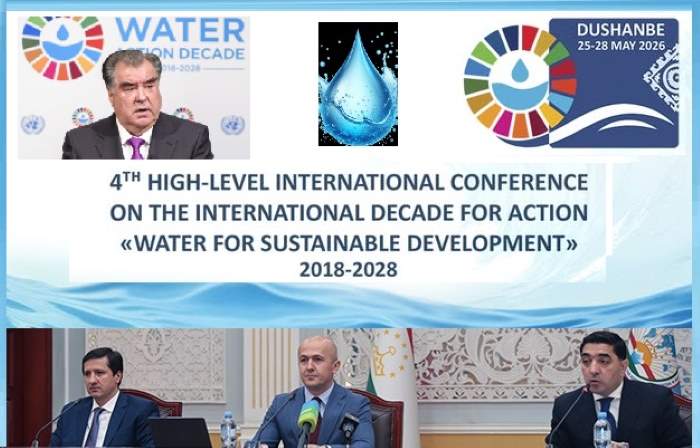
Dushanbe, the beautiful capital city of the Republic of Tajikistan is all set for the opening of the 4th High-Level International Conference on the International Decade for Action “Water for Sustainable Development, 2018–2028.” In Dushanbe, final preparations are underway: the programme of plenary sessions, thematic sessions, and side events are being finalized.
A broad participation is expected, including representatives of government institutions, the United Nations system, international and scientific organizations, civil society, youth groups, and the private sector. The upcoming conference will serve as an important milestone on the road to the 2026 UN Water Conference and a significant step forward in advancing the global water agenda.
Briefing dedicated to preparations for the Conference
The briefing was held at the Ministry of Foreign Affairs of the Republic of Tajikistan with the participation of Deputy Minister and Head of the Conference Secretariat Sanoi Boyzoda.
During the briefing, heads of diplomatic missions and international organizations accredited in the country, representatives of government agencies and the media were provided with detailed information on the progress of preparations for the 4th Dushanbe Water Conference.
Water, Foundation of Life
Water has the vital role as the foundation of life, sustainable development, food security, public health, energy, and economic prosperity. It also emphasized the need to strengthen international cooperation amid growing water-related problems, climate change, and the rapid melting of glaciers.
Rivers, lakes, and wetlands are not only sources of water, but also complex ecosystems that require a careful “source-to-sea” approach. In Dushanbe, discussions will focus on ecosystem restoration, pollution reduction, and the protection of biodiversity linked to water resources.
Water scarcity, ecosystem degradation, and climate-related extreme events can drive both internal and cross-border migration. This creates additional social and economic challenges for both sending and receiving regions.
The conference in Dushanbe highlights the link between water and human mobility as part of the broader agenda of community resilience. Addressing this connection will help better integrate water-related factors into strategies for adaptation, development, and humanitarian support.
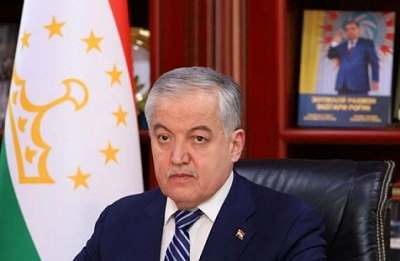 Minister of Foreign Affairs of Tajikistan Sirojiddin Muhriddin rightly said, “Taking care of water means taking care of our common future.”
The Minister of Foreign Affairs once again called on governments, international organizations, financial institutions, academia, youth, the private sector, and other interested stakeholders to take part in the Conference, to be held from 25 to 28 May 2026 in Dushanbe.
Linkages between Regional and Global Water Processes
Regional meetings and dialogues play an important role in preparing for global conferences, as they help adapt common objectives to the specific contexts of individual regions. They also contribute to identifying particular challenges and opportunities that are then reflected at the global level.
Dushanbe 2026 brings together regional and international dimensions, serving as a bridge between local priorities and global discussions. This makes the conference an important channel for conveying regional experience into the agenda of the UN Water Conference 2026.
 Efficient and Sustainable Water Resources Management
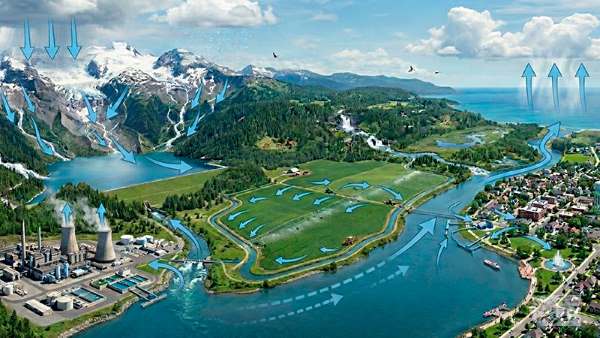
Integrated water resources management takes into account the entire water cycle, the interests of different sectors, and various levels of governance. This approach makes it possible to balance the needs of people, the economy, and nature, as well as to respond more effectively to climate and social changes.
In Dushanbe, participants will discuss tools and practices of integrated management at the river basin level and within national strategies. The exchange of experience will help countries improve coordination between agencies and sectors, thereby increasing the effectiveness of water policy.
The Role of Multilateral Cooperation Platforms
International and regional water platforms, including initiatives in Central Asia and other regional processes, facilitate the exchange of experience, coordination of actions, and mobilization of resources. They help translate global commitments into concrete actions on the ground.
Dushanbe 2026 will serve as a venue where various platforms and partnerships can present their results and plans. This will strengthen complementarity of efforts and help better align actions in the lead-up to the UN Water Conference 2026.
 Water and Private Investment: New Financing Instruments
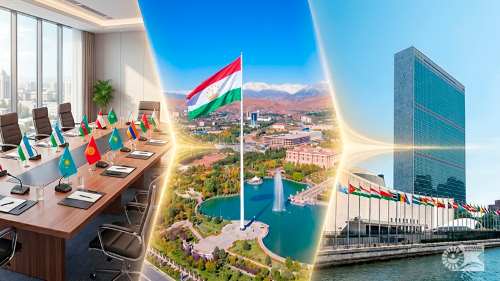
The development of innovative financial mechanisms, such as green bonds, blended finance, and results-based schemes, creates additional opportunities for water-related projects. These instruments enable the mobilization of private capital for water supply and sanitation infrastructure, as well as nature-based solutions.
Dushanbe 2026 will serve as a platform for discussing successful examples of mobilizing private investment for the water agenda and climate resilience. Participants will explore how to make water investments more attractive and better protected against risks.
Voice of Stakeholders: Inclusivity in Water Dialogue
The success of the water agenda depends on the participation of a wide range of actors — governments, the UN, NGOs, the private sector, the scientific community, women, and youth. Inclusive processes make it possible to reflect diverse perspectives and needs, leading to more resilient and practical solutions.
The Dushanbe conference programme provides for the participation and contributions of all key stakeholder groups. This will strengthen trust, enhance the quality of discussions, and ensure a broader range of ideas and initiatives for future global processes.
 Knowledge Sharing: From Scientific Research to Policy
Scientific research and analysis form the basis for effective decision-making in the water sector, but they are not always reflected in policy and practice. Strengthening the science–policy–practice nexus helps ensure that the best available knowledge is used for water resources management and climate change adaptation.
The Dushanbe Conference will offer panel discussions and thematic sessions where scientists, policymakers, and practitioners will discuss joint solutions. This will help accelerate knowledge transfer and improve the effectiveness of implemented programmes.
Final Documents: From Declaration to Action
A key outcome of international water conferences is the set of final documents—declarations, co-chairs’ summaries, and lists of voluntary commitments. These reflect a shared approach to addressing water challenges and serve as a guide for further action.
The Dushanbe conference will prepare outcome materials to be included in the overall package of documents for the UN Water Conference 2026. This will reinforce Dushanbe’s role as a key milestone in shaping the global Water Action Agenda.