 Middle East Monitoring Desk Islamabad
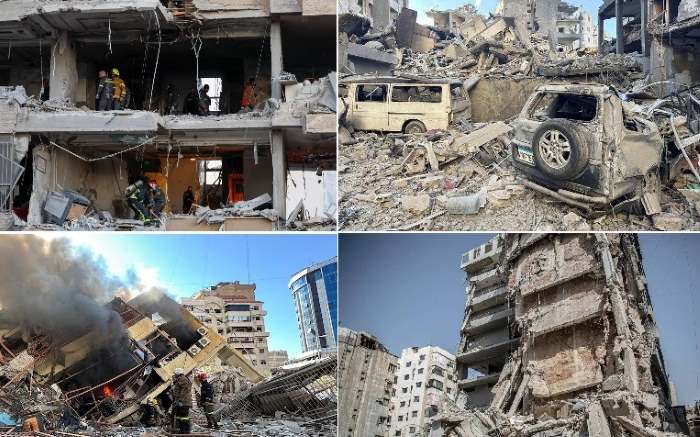
Lebanon is experiencing a severe humanitarian and structural crisis due to Israeli attacks that began on March 2. The conflict has resulted in widespread destruction, massive displacement, and high casualty figures across the country.
Casualties and Human Impact
Fatalities: As of March 13, 2026, the Lebanese Health Ministry reported at least 773 deaths since the start of the month.
Injuries: Over 1,770 people have been wounded in the strikes.
Displacement: Approximately 815,000 to 816,000 people have been uprooted from their homes. This includes families fleeing southern Lebanon, the Beqaa Valley, and Beirut’s southern suburbs.
Medical Personnel: At least 26 paramedics and medics were killed in Israeli strikes during the first two weeks of March.
Structural and Infrastructure Damage
Bridges: A significant strike destroyed the Zrarieh Bridge
spanning the Litani River, a key transport link between northern and southern Lebanon.
Health and Education: Nearly 50 primary healthcare facilities have been forced to close. Many public schools have been repurposed as collective shelters for displaced persons, effectively halting regular education for approximately 120,000 children.
Beirut:
Central Beirut: For the first time in this phase of the war, strikes hit the city center, damaging the Ramada Plaza Hotel in the Raouche neighbourhood.
Southern Suburbs (Dahiyeh): Heavy damage to residential and commercial buildings has been reported in areas like Haret Hreik and Baabda.
Northern Beirut: A drone strike damaged a residential building in the Bourj Hammoud district.
Southern Lebanon and Beqaa Valley: Towns like Sidon, Tyre, and Nabi Chit have suffered extensive damage to residential buildings, roads, and agricultural land. In some southern villages, roughly 90% of residents have evacuated due to the level of destruction.
Economic and Social Consequences
Economic Losses: Total economic losses were estimated to be nearly $14 billion, with approximately $6.8 billion in direct damage to physical structures.
Housing Crisis: A sharp rise in rent, sometimes up to 400%, has been reported in safer areas like Mount Lebanon as displaced families search for shelter.
Public Services: The ongoing economic collapse and the destruction of infrastructure have left essential public services near breaking point.
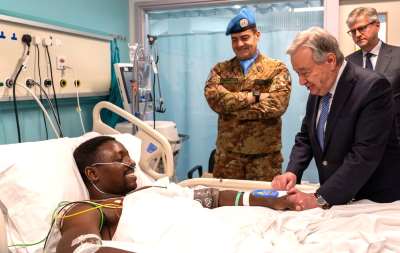 On the second day of his visit to Lebanon, UN Secretary-General António Guterres addressed the media and paid tribute to the courage of peacekeepers serving with the United Nations Interim Force in Lebanon (#UNIFIL), who remain in position and support local communities.
“UNIFIL peacekeepers – under the command of General Abagnara – remain in position. They are maintaining an impartial international peacekeeping presence along the Blue Line and throughout the Area of Operations, to fulfill the mandate entrusted to them by the Security Council, and to support the local populations. I want to pay tribute to their courage.”
The Secretary-General noted the dangers peacekeepers face, recalling that three Blue Helmets serving with the Ghanaian contingent were injured amid intense exchanges of fire. One of them, Lance Corporal Albert Abrefa Busia, was seriously injured and visited by the Secretary-General in hospital.
“Attacks against peacekeepers and positions are completely unacceptable and they must stop. They are in breach of international law and may constitute war crimes. Moreover, civilians must be respected and protected at all times – and civilian infrastructure must be spared.”
The Secretary-General also highlighted the humanitarian appeal launched yesterday to provide the Government of Lebanon with the resources needed to intensify support for populations affected by the ongoing violence.
He emphasized that the people of #Lebanon, as well as those in #Israel and across the region, deserve to live without fear, to raise their children without the sound of sirens and strikes, and to return home without wondering when they may have to flee again.