 By Yerzhan Kistafin / Ambassador of Kazakhstan to Pakistan
 It is widely recognised that preserving cultural heritage is crucial, as it shapes a nation’s identity and defines its future. Countries around the world have maintained historical sites, protected languages, and conserved natural sites. In Central Asia, the protection of cultural heritage is equally important, given the region’s rich and diverse history, which dates back to the 3rd millennium BCE.
As the summer sun begins its descent and the breeze of autumn sweeps across the Kazakh steppe, Astana will come alive with the spirit of our nomadic ancestors as we host the Fifth World Nomad Games from September 8-13. This event will transform our vibrant capital into a bustling arena of culture, competition, and camaraderie. I am thrilled to extend a heartfelt invitation to to join us in celebrating this grand event.
For us, these Games are as significant as the Olympics are to the world. They are a testament to the resilience, ingenuity, and traditions of the nomadic cultures. For the world, they are an opportunity to learn about and celebrate the culture and history of nomadic peoples. They offer a unique window into the heritage that has shaped our identity and continues to influence our way of life.
The Fifth World Nomad Games in Kazakhstan, first held in 2014, will bring together over 2500 participants from around 100 countries. As a country experienced in hosting major global events, Kazakhstan looks forward to welcoming over 100,000 domestic and foreign tourists to celebrate our culture and foster international friendship.
A key aspect of the World Nomad Games is the preservation of ancient sports and cultural practices. The culture of nomadic peoples has not been widely popularised globally so far.
These games will change this by allowing visitors to witness rare sports and become immersed in our traditions. Twenty-one kinds of sports will be on display in Astana, including horse racing, traditional intellectual games, martial arts competitions, national bird hunting, and other folk games.
One of the most anticipated events is Kokpar, a thrilling and dynamic sport akin to polo, but with a distinctly nomadic twist. Teams on horseback vie for control of a goat carcass, displaying remarkable skill, strength, and strategy.
This sport, along with many others featured at the Games, highlights the central role of horses in our culture. They were indispensable companions in daily life, including for migration, warfare, hunting, and trade. Kazakh people hold the distinguished honour of the fact that horses were first domesticated around 5,500 years ago within what is now modern-day Kazakhstan.
In fact, horses are considered one of the seven sacred treasures of the Kazakh people. This long-standing bond between Kazakhs and their steeds will be vividly brought to life through the equestrian events at the Games.
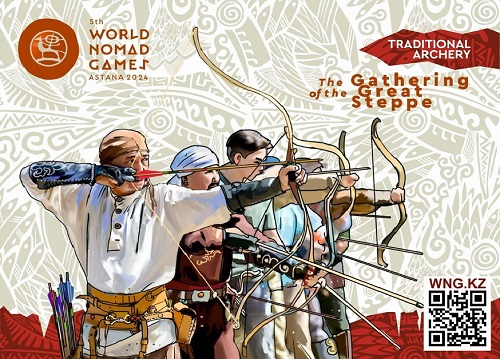
In addition to Kokpar, spectators will be treated to a variety of traditional sports such as archery, wrestling, and eagle hunting. Each sport carries its own historical significance and showcases the diverse skills honed by our ancestors to thrive in the vast and challenging landscapes of Central Asia.
SCO Astana Summit 2024 – Deliberations & Expectations – Kazakhstan’s Contribution by Tazeen Akhtar