 By Tazeen Akhtar, Editor – Pakistan in the World Media Group
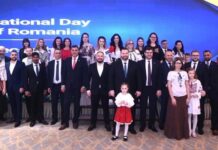
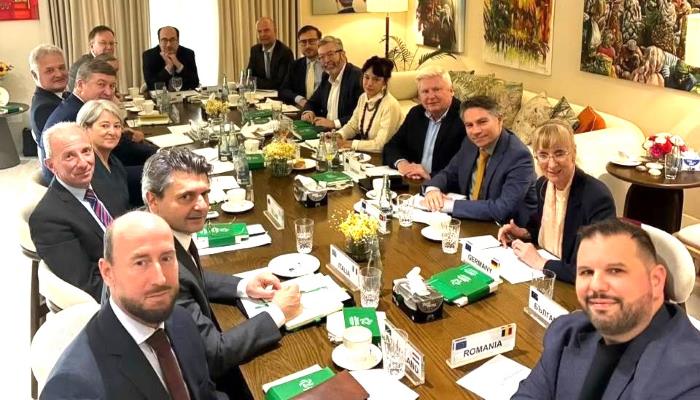
The Ambassadors of the European Union in Pakistan gathered this weekend in Islamabad for a high-level retreat and strategic discussion on the future of EU-Pakistan relations. The meeting was hosted at the Irish Residence in Islamabad, on the invitation of the Ambassador of Romania, H.E. Dr. Dan Stoenescu, and brought together EU Heads of Mission for a candid, in-depth exchange on common priorities.
1. United in Diversity: One European Voice on Pakistan
Addressing the gathering, Ambassador Dr. Dan Stoenescu underlined that all 27 EU Member States share a common European position on key issues concerning Pakistan.
These include: GSP+ Trade Preferences, Security, Migration, Human Rights,
He said the EU is equally aligned in its: Political Dialogue with Pakistan, Strategic Communication, Humanitarian Assistance, Development Cooperation.
“Each of us brings a different national perspective to the table. That is what it means to be united in diversity and to act as one,” Ambassador Stoenescu said.
The message was clear: Despite 27 different national histories and perspectives, the EU speaks with one voice in Pakistan.
2. European Solidarity Matters Especially Now
Ambassador Stoenescu stressed that European solidarity matters especially now, in a time of growing global instability. He pointed to Russia’s continued war of aggression against Ukraine and its hybrid campaigns against EU Member States and partners beyond EU borders.
These hybrid threats, he said, include: Arson,Sabotage,Cyberattacks,Disinformation.
“When one of our countries is targeted, the others have a responsibility to stand with it,” he said. He explained that the EU puts that solidarity into practice when it protects one another at home and abroad, stands by Ukraine, and brings its combined experience and resources to its work with partners like Pakistan.
3. EU-Pakistan Partnership: Shared Experience, Shared Resources
The retreat also focused on how the EU can use its collective strength to deepen its partnership with Pakistan. Ambassador Stoenescu noted that by acting together, EU Member States can bring their combined experience and resources to their work with Pakistan – in trade, development, humanitarian aid, climate, education, and security cooperation.
For Pakistan, the EU remains its largest destination for GSP+ exports, a key development partner, and an important voice on human rights, rule of law, and democratic governance.
The strategic discussion aimed to ensure that EU engagement with Pakistan remains coherent, coordinated, and impactful.
4. Thanks to Hosts: Ireland and EU Delegation
Ambassador Stoenescu expressed his warm thanks to: H.E. Mary O’Neill, Ambassador of Ireland to Pakistan – for hosting the retreat at the Irish Residence and for the warm Irish welcome. H.E. Raimundas Karoblis, Ambassador of the European Union to Pakistan – for bringing the EU Heads of Mission together.
He thanked both for their leadership in organising the retreat and creating an atmosphere for open and honest discussion.
Conclusion: A Strong Signal from Islamabad
The EU Ambassadors’ retreat in Islamabad was more than a social gathering. It was a strategic signal.At a time when the world faces war in Ukraine, tensions in the Middle East, and challenges to the international order, the European Union in Pakistan has reaffirmed:
We are united. We stand together. We stand with Ukraine. And we stand ready to work with Pakistan as one partner.The retreat, hosted by Romania and welcomed by Ireland, showed the spirit of the EU in action – United in Diversity – right here in Islamabad.
Pakistan has held GSP+ status since January 2014, granting zero or reduced tariffs on roughly two-thirds of EU tariff lines. Pakistan is the largest beneficiary of GSP+ by trade value. In 2025, total EU imports from Pakistan reached €8.7 billion (€7.6 billion under GSP+), making the EU Pakistan’s top export market (about 30% of exports). Textiles and apparel account for around 70% of those exports, alongside growing agricultural and food exports.
• Compliance & Renewal: Current GSP+ benefits depend on implementing international conventions on human rights, labor standards, environmental protection, and good governance. Under the updated EU GSP framework (Regulation 2026/1395), Pakistan faces stricter implementation checks, expansion to 32 conventions, and a reapplication requirement before the end of 2028 ahead of the current scheme’s expiration. You can track upcoming shifts via the GSP+ Transition Tracker or read an analysis of Pakistan’s EU GSP+ After 2027.