Intellectual Property Theft @ NCRC – Policy Brief on Child Trafficking Prepared by Previous Team Launched with the Names of New Team

0
1984
Tazeen Akhtar
Chairperson National Commission on the Rights of Child, Ayesha Raza Farooq and her team had to face extremely awkward situation at the first ever policy brief launch since when she has been posted in the commission , more than a year ago. The Policy Brief on Child Trafficking – Comprehensive 3-Year Strategic Plan has not been prepared by her team although she has hired the services of a French national woman as advisor.The brief which she was proudly unveiling on 24 Jan at five star hotel turned out to be picked up rather Intellectual Property Right theft actually.
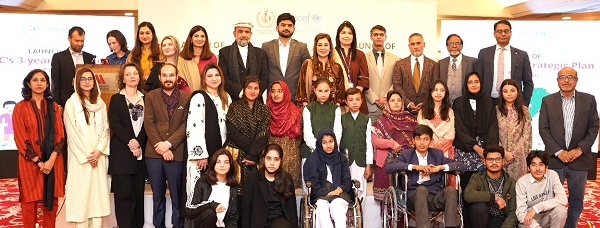
Ms. Mushaal Hussein Mullick, Special Assistant to Prime Minister was chief guest while the officials from UNICEF were also present when the incumbent team of NCRC had to cut a sorry figure in front of them as well as before the audience. A lady from the team tried to cover it by accepting that “Yes! This policy brief was prepared by the previous team and we appreciate their efforts” but she failed to throw the dirt under the carpet.
AD Khawaja, Federal Secretary, Ministry of Human Rights, Dr. Rinchen Chophel, Member of the United Nations Committee on the Rights of the Child (UNCRC),Christine Chung, representing the UN Office of the High Commissioner for Human Rights,Dr. Inoussa Kabore Deputy Representative, UNICEF were among the speakers who noted the scene but kept silence at the occasion to keep the decorum of the event.
This strategic policy brief was prepared by the previous team under the supervision of the then Chairperson Afshan Tehseen Bajwa. Main author of this brief is Mr. Wajaahat , a member of the previous team but Ayesha Raza Farooq presented it in the event as her effort with the names of her team published on the draft.
Mr. Wajaahat was also present in the audience who dared to point out the IPR theft by the sitting Chairperson. He urged the incumbent Chair to at least acknowledge the work of the former team. It was only then that a lady on the stage bothered to utter what has already been noted above.
Incumbent NCRC team has shared the salient features of the policy brief as :
Addressing the pressing need arising from the swiftly changing factors impacting the child rights landscape in Pakistan, the  (NCRC) unveils a forward-thinking 3-year strategic plan and a policy brief on child trafficking. This initiative is a result of a comprehensive desk review and consultative process with key stakeholders, child rights experts, and voices from civil society, demonstrating the NCRC’s commitment to promote and protect child rights in line with Pakistan’s international obligations.
The NCRC’s strategic vision is anchored in the promise to uphold the rights of every child. By the year 2026, the strategic plan aims to deliver a measurable improvement in the enforcement of child rights, making every effort that this promise is translated into impactful evidence-based actions by state entities and civil society.
A key priority outlined in the strategic plan is the focus on evidence generation and knowledge. The NCRC aims to build a robust foundation of evidence-based practices, equipping policymakers and stakeholders with the insights needed to inform impactful policies and interventions.
Emphasizing collaboration as a cornerstone, the NCRC’s strategic plan prioritizes partnerships with diverse stakeholders. The collaborative approach recognizes the collective responsibility of all sectors to protect and promote the rights of children in Pakistan. Finally, the strategic plan is not just a document; it represents a commitment to transformative actions.
The event also witnessed the launch of a policy on child which delves into the multifaceted issue of child trafficking, providing an in-depth analysis of the current landscape, challenges faced, and recommendations for effective prevention and intervention. The comprehensive document reflects the complexities of child trafficking to develop targeted solutions.
Ayesha Raza Farooq and her team rightly elaborated the main points of the documents but wrongly committed 2 extremely petty things : 1- Took all credit of this tiresome work done by the previous team 2- Had no courage to admit that the documents were authored by the team of Ms Afshan Tehseen Bajwas, former Chairperson. Moreover the incumbent Chairperson did not invite the former to the event where the former’s work was being owned by the present. 
Here are the remarks of the speakers shared in a press release:
Chairperson National Commission on the Rights of Child, Ayesha Raza Farooq emphasized the potential impact of the strategic plan.She said, “This is not just a roadmap; it is a commitment to transforming the destiny of our children. By implementing evidence-based strategies and fostering partnerships, we aim to actively enforce the rights of every child in Pakistan.”
Ms. Mushaal Hussein Mullick stated, “Child trafficking is a violation of the fundamental rights of our most vulnerable population. The policy brief and strategic plan embodies NCRC’s commitment to confronting this issue head-on, with a focus on prevention, protection, and prosecution”.
Dr. Rinchen Chophel, Member of the United Nations Committee on the Rights of the Child (UNCRC) addressing the launch event stated “The Commission’s strategic plan is a beacon of hope, providing a roadmap for transformative actions. As a Member of the United Nations Committee on the Rights of the (UNCRC), I commend this initiative and believe it will contribute significantly to shaping a future where the rights of every child are not only acknowledged but actively protected and promoted.”
Christine Chung, representing the UN Office of the High Commissioner for Human Rights said “In May 2023, Pakistan was subject to the first cycle of the universal periodic review, during which the government made commitments to work on recommendations from other member states that included combatting child marriage and raising minimum age of marriage, promoting children’s right to quality education, combating child labour. Our office acknowledges that these recommendations have been translated into the strategic plan presented by the Commission”.
Dr. Inoussa Kabore Deputy Representative, UNICEF stated “The strategic plan is a commendable step towards safeguarding the rights of children in Pakistan. We believe that the strategic priorities outlined – evidence and knowledge, partnership, and transformation – aligns with the global efforts to ensure every child’s well-being. This collaborative approach sets a positive precedent for effective child rights enforcement, and we look forward to witnessing the lasting impact of this strategic plan on the lives of children across the country.”
AD Khawaja, Federal Secretary, Ministry of Human Rights said, “Prioritizing awareness, capacity building, and policy reform will transform the future of children in Pakistan. The enforcement of the child rights laws and making a coordination mechanism with provincial child protection authorities is the need of the hour.”
At the end of the event, a panel discussion took center stage, featuring prominent experts in the field. Kausar Abbas, Executive Director of SSDO (Social Services and Development Organization), lent his expertise, offering valuable insights into the multifaceted challenges surrounding child trafficking.
Joining him on the panel were Zaheer Ahmed, Former Director of the Anti-Human Smuggling Unit at the Federal Investigation Agency (FIA) and Azam Tabani from National Police Bureau, bringing wealth of experience which added a law enforcement perspective to the discourse.
Ms. Shahida Gilani, Senior Programme Officer specializing in Human Trafficking and Migrant Smuggling, provided a nuanced understanding of the intricate dynamics involved in combatting these grave issues.
The panel discussion was moderated by Member Punjab, Mehek Naeem, who guided the conversation, ensuring a comprehensive exploration of the policy brief’s key recommendations and fostering a collaborative exchange of ideas among the participants.
This insightful panel discussion underscored the collective commitment to addressing the urgent challenges posed by child trafficking and emphasized the importance of collaborative efforts to create effective solutions in the ongoing fight against this heinous crime.
The NCRC acknowledges that combating child trafficking requires a collective effort, involving government agencies, non-profit organizations, law enforcement, and the wider community. The policy brief and strategic plan serve as a call to action, urging stakeholders to collaborate and prioritize the protection of children from exploitation and trafficking.

LEAVE A REPLY

Please enter your comment!
Please enter your name here