 By Prof. Sohail Ahmed | sohailahmedwcj@gmail.com
 The city of Islamabad has transformed into the most important diplomatic stage in the world today, April 10, 2026, as the “Islamabad Accord” moves from a hopeful idea into a high-stakes reality. After weeks of devastating conflict during the 2026 Iran War, the eyes of every nation are on Pakistan’s capital, which is currently under a massive security lockdown.
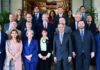
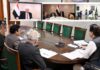
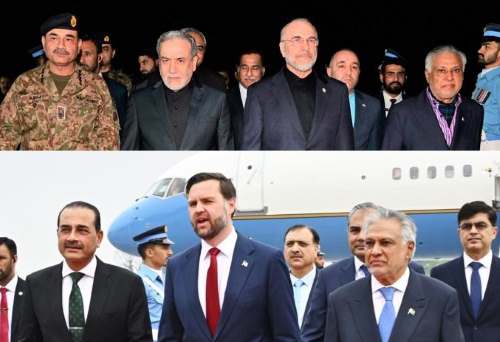
Elite security forces have blocked off the diplomatic enclave to ensure the safety of the visiting officials, who are arriving to turn a fragile, two-week ceasefire into a lasting peace. U.S. Vice President JD Vance is leading the American delegation, signaling how seriously Washington is taking these talks, while Iran has sent its top leaders, including Parliament Speaker Mohammad Bagher Ghalibaf, to the negotiating table.
The challenge ahead is massive because both sides have very different ideas about what “peace” should look like. The United States is demanding a total end to Iran’s uranium enrichment and strict new rules on their missile programs to ensure regional safety. On the other hand, Iran is focused on its economy, demanding that all international sanctions be lifted and that they receive payments for the damage caused during the war.
These negotiations are part of a two-phase plan: the first phase, which is happening now, is keeping the Strait of Hormuz open for global trade and making sure the guns stay silent. The second phase involves twenty days of intense meetings to write a final treaty. While no one expects a perfect solution overnight, the fact that these two enemies are sitting in the same room is the biggest breakthrough the world has seen since the fighting began in February.
For today, the goal isn’t just a signature on a paper; it’s about making sure the ceasefire holds so that a wider, more dangerous war can finally be avoided.
The Iran Conflict: Power Politics, Regional Realignments, and the Emerging New Order
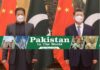
Pakistan has emerged as a towering diplomatic force, transforming from a nation facing internal challenges to a respected global mediator. This newfound international stature has been met with visible agony and astonishment in New Delhi and Tel Aviv, where officials are struggling to comprehend how their regional rival successfully brokered a peace deal that they could not.
While major global powers and international media outlets—including the BBC, Reuters, and Al Jazeera—have showered Islamabad with praise for preventing a global energy crisis, a distinct “axis of silence” has formed among those who feel sidelined. This includes the Indian government, which has offered only lukewarm statements, and certain factions in Afghanistan who remain at odds with Pakistan’s firm regional stance. Furthermore, within Pakistan, the die-hard supporters of the former Prime Minister have found themselves in an awkward position, as the current civil-military leadership achieves a monumental foreign policy victory that many skeptics believed was impossible.
The future of Pakistan now looks remarkably bright, especially following its “befitting response” and calculated retaliation against cross-border threats earlier this year. By demonstrating both military resolve and sophisticated “shuttle diplomacy,” Pakistan has proven it can protect its sovereignty while simultaneously leading the world toward peace.
The nation’s strategic importance has been reaffirmed, and its role as a “trusted guarantor” for both the United States and Iran has opened doors for massive foreign investment and renewed global partnerships. We are witnessing the rise of a “New Pakistan”—a nuclear-armed state that no longer just reacts to world events but actively shapes them.
With its seat at the head of the negotiation table in Islamabad, the country is poised to enter an era of unprecedented influence, leaving its detractors in the shadow of its diplomatic success.
Economic Impact of War and the Global Energy Crisis: Implications for the World and Pakistan