 Emerging diplomatic shifts suggest the Middle East may be entering a more multipolar phase—with Pakistan increasingly visible in regional diplomacy.
By Zainab Shahzad
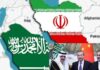
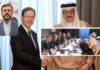
The geopolitical balance of the Middle East appears to be entering a period of subtle but meaningful change. In recent months, a pattern has emerged in which several key regional actors—including Egypt, Turkey, and Saudi Arabia—have intensified diplomatic engagement with Pakistan. While such interactions are not unprecedented, their timing and frequency suggest that broader strategic considerations may be at play.
Pakistan’s domestic challenges remain well known. The country continues to grapple with economic pressures, inflation, and structural governance issues. Yet international politics often moves along a different track than domestic realities. At this particular moment, Pakistan has found itself increasingly involved in conversations that extend well beyond its immediate neighborhood.
Diplomacy across the region indicates that these developments may represent more than routine bilateral exchanges. Instead, they could reflect early signals of a recalibration within the Middle East’s strategic framework—one in which regional actors are exploring greater flexibility in their alliances and partnerships.
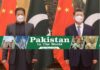
In this evolving landscape, Pakistan has appeared at times as a facilitator of dialogue. Reports have suggested that Islamabad has occasionally helped maintain communication channels between the United States and Iran during periods of heightened tension. While such diplomatic roles are typically discreet and rarely acknowledged publicly, the ability to act as an intermediary can enhance a country’s international standing.
At the same time, signs of cautious engagement between Pakistan and Iran have become more visible. Observers have pointed to reports that Pakistani-flagged vessels have encountered fewer restrictions in Iranian-controlled maritime zones, with some claims suggesting limited security cooperation at sea.
These developments are unfolding against the backdrop of a wider regional reassessment of strategic alignments. Several countries that have historically maintained close partnerships with Washington appear increasingly interested in pursuing policies that allow for greater diplomatic autonomy. This does not necessarily signal a break with the United States, but rather an effort to diversify foreign policy options in a rapidly changing global environment.
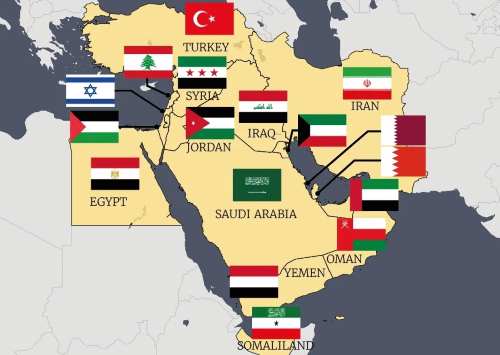
Each major actor appears to be carving out a distinct role within this evolving dynamic. Turkey continues to balance its NATO commitments with an assertive regional policy; Egypt remains an important stabilizing force in Arab diplomacy; Saudi Arabia retains its central position as the Gulf’s leading economic and political power; and China has quietly expanded its influence through economic partnerships and strategic engagement.
For Israel, these shifts present both challenges and uncertainties. Israeli policymakers have long relied on a security framework built around strong Western alliances and shared strategic narratives. However, if regional actors increasingly prioritize negotiation and diplomatic flexibility, the strategic environment could become more complex.
Meanwhile, Iran has shown a pragmatic approach to the current geopolitical climate. Despite ongoing tensions with Western powers, Tehran has sought to maintain economic activity—particularly through energy exports—while strengthening ties with countries willing to engage economically.
The United States remains the most influential external power