 ISLAMABAD : 26 Oct 2026 – Pakistan has the highest rate of breast cancer in Asia, with approximately 1 in 9 women at risk during their lifetime. About 40,000 women die from the disease each year. Pakistani women are often diagnosed a decade earlier than women in Western nations, frequently starting in their mid-30s to 50s. When caught at an early, localized stage, the 5-year survival rate exceeds 90% to 99%. However, over 70% to 89% of cases in Pakistan are diagnosed late (Stage III or IV).
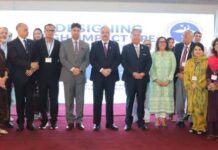
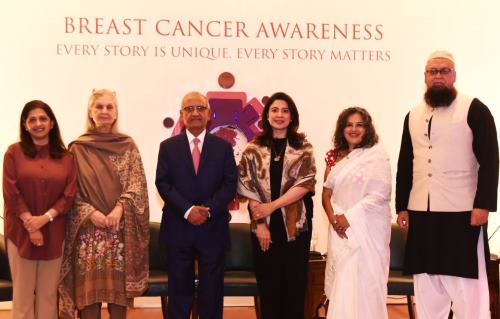
Serena Hotels, under its Public Diplomacy initiative, hosted a panel discussion on breast cancer awareness titled “Every Story Is Unique, Every Story Matters.” The session brought together medical experts, a mental health professional, a corporate leader and a breast cancer survivor to highlight the importance of early detection, timely medical consultation, emotional well-being and support for those affected by breast cancer.
The discussion aimed to encourage open conversations about breast cancer, address common misconceptions and emphasize the importance of awareness in helping women make informed decisions about their health.
It highlighted the role of accurate medical information, timely diagnosis and appropriate treatment in improving health outcomes, while also recognizing the emotional and psychological challenges that patients and their families may face.
The panel featured Dr. Kamran Rashid, Oncologist and President of the Society of Medical Oncology Pakistan; Prof. Dr. Shela Alvi, Psychiatrist, Psychotherapist and Mental Health Advocate; Fauzia Ahmed, Chief Human Resource Officer at Mari Energies; and Ms. Shams Aijaz Akram, Breast Cancer Survivor.
Drawing on their professional expertise and personal experience, the panelists explored the medical, psychological and social aspects of breast cancer, highlighting the importance of a comprehensive and compassionate approach to care.
Prevalence of Breast Cancer in Pakistan by Mareeha Bashir-ullah
Dr. Kamran Rashid highlighted the importance of recognizing potential warning signs, seeking timely medical advice and understanding the role of early detection in breast cancer care.
The discussion also addressed the hesitation and stigma that can prevent women from seeking medical attention, reinforcing the need for greater awareness and access to reliable health information. Encouraging women to consult qualified healthcare professionals and seek advice about appropriate screening can help support informed decisions about their health.
Prof. Dr. Shela Alvi highlighted the emotional and psychological impact of a breast cancer diagnosis and the importance of mental health support throughout treatment and recovery.
A diagnosis can bring uncertainty, anxiety and emotional stress for both patients and their families. She emphasized the importance of empathy, open communication and access to appropriate psychological support, ensuring that emotional well-being remains an important part of the care and recovery process.
Fauzia Ahmed highlighted the role of organizations and workplaces in promoting health awareness and supporting women’s well-being. Through awareness sessions, access to reliable information and a supportive workplace culture, organizations can encourage employees to prioritize their health and seek medical guidance when needed. Such efforts can also help create an environment where conversations about women’s health are approached with greater openness and understanding.
Ms. Shams Aijaz Akram sharing her personal experience, offered the perspective of a breast cancer survivor, bringing a personal dimension to the discussion. Her participation highlighted the importance of sharing experiences to raise awareness, challenge misconceptions and encourage others to seek support. Her story reflected the central message of the session: every woman’s journey is different, and every experience deserves to be heard with compassion, respect and understanding.
The session reinforced the importance of early detection, informed healthcare decisions, emotional support and collective responsibility in promoting breast cancer awareness. It also highlighted the role that individuals, families, healthcare professionals and workplaces can play in creating a more supportive environment for women navigating the challenges associated with the disease.
Through its Raabta initiative, Serena Hotels continues to provide a platform for meaningful conversations on health, well-being and issues of public importance. By bringing together diverse perspectives and encouraging the exchange of knowledge and experiences, the initiative seeks to promote awareness, strengthen community engagement and support dialogue on subjects that matter to society.
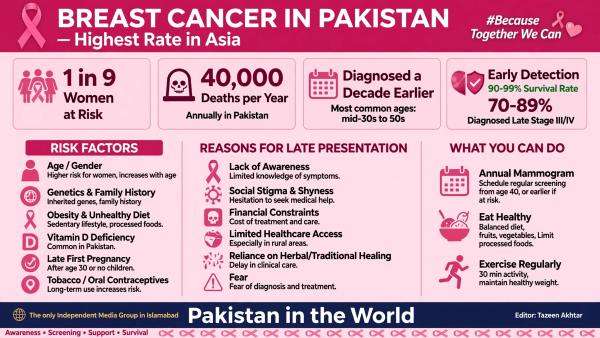 According to a report compiled by ” Pakistan in the World ” from the research of different concerned organizations and health experts the main challenges are ;
Breast cancer in Pakistan is caused by a combination of genetic predispositions, hormonal influences, lifestyle and reproductive factors, and environmental conditions, alongside delayed diagnosis due to social barriers.
Genetic and Family History
• Inherited Mutations: About 5% to 10% of cases are hereditary, with germline mutations in the BRCA1 and BRCA2 genes playing a major role (responsible for roughly 1 in 4 cases of hereditary breast cancer in the country).
• Family History: Women who have a mother, sister, or aunt with a history of breast or ovarian cancer face a significantly elevated risk
Breast Cancer Awareness Month: Serena Hotels Islamabad Holds Educational Session
Hormonal and Reproductive Factors
• Prolonged Estrogen Exposure: Early onset of menstruation (before age 12) or late-onset menopause (after age 50) increases total lifetime exposure to estrogen.
• Reproductive History: Nulliparity (having no children), having a first full-term pregnancy at an older age (after 30), and a lack of or limited breastfeeding are common contributing risk factors in local populations.
• Hormonal Medications: The use of oral contraceptives or postmenopausal hormone replacement therapy (HRT) can raise the risk of developing breast cancer.
Lifestyle and Metabolic Factors
• Obesity and High BMI: Excess body weight, particularly after menopause, is a strongly linked and rising risk factor among Pakistani women.
• Sedentary Behavior: A lack of physical activity and a general absence of regular exercise compound the risk of metabolic and inflammatory conditions.
• Diet and Diet Contaminants: Unhealthy dietary patterns, consumption of processed foods, and exposure to environmental or agricultural contaminants (such as hormone-treated meats or sewage-irrigated crops) are increasingly cited in regional studies.
• Tobacco Use: Smoking or tobacco exposure contributes to systemic cancer risks.
Contributing Systemic and Diagnostic Barriers
While not a biological root cause of cell mutation, late-stage presentation severely worsens outcomes in Pakistan:
• Late-Stage Presentation: Over 70% to 89% of patients are diagnosed at Stage III or IV because of social stigma, cultural taboos, financial constraints, and limited access to primary screening facilities like mammography.
• Younger Age of Onset: Unlike Western populations where breast cancer predominantly affects older women, the average age of onset in Pakistan is roughly a decade earlier (often presenting in a woman’s 40s or even late 30s).