Professor Sohail Ahmed
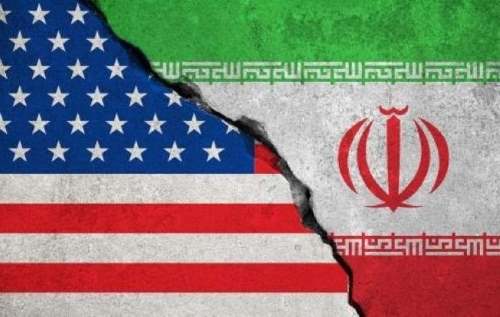
 Significant diplomatic breakthroughs have been achieved over the past 48 hours, signaling a potential end to the conflict. Following intense mediation efforts, the United States of America and Iran have formally finalized the text of a comprehensive peace agreement.
The current state of the conflict hinges on these key developments:
1. Peace Agreement and Ceasefire
On Sunday, June 14, 2026, U.S. President Donald Trump and Pakistani Prime Minister Shehbaz Sharif (who, alongside Qatar, Saudi Arabia, Turkey, and Egypt, led vigorous regional mediation efforts) announced that a final agreement has been reached.
This agreement mandates an immediate and permanent cessation of military operations across all fronts, including Lebanon.
Furthermore, under the draft (MoU), Iran has agreed not to develop or acquire nuclear weapons, and the U.S. will initiate assistance in managing or removing Tehran’s highly enriched uranium during an upcoming 60-day technical phase.
The deal also includes the phased lifting of sanctions and the release of approximately $24 billion in frozen Iranian assets.
Iranian state media and international mediators have confirmed that the official, in-person signing ceremony is scheduled to take place in Switzerland on Friday, June 19, 2026.
2. Reopening of the Strait of Hormuz
Following the announcement, President Trump declared the official end of the U.S. naval blockade of the Strait of Hormuz, telling global commercial shipping to “start your engines.” This waterway—which handles one-fifth of the world’s oil supply—had been virtually closed by Iranian forces and Western blockades since the conflict began in late February, triggering a major global energy crisis and severe economic strain across Asia.
3. Israeli Stance
Despite this historic diplomatic success, the situation on the ground remains highly tense. Israel was largely sidelined during these bilateral negotiations between the U.S. and Iran. Prime Minister Benjamin Netanyahu has explicitly stated that Israel does not consider itself bound by the Lebanon-related clauses of the U.S. deal and will not withdraw its forces from Lebanon.
Even as the deal was being announced, the Israeli military launched targeted airstrikes on Hezbollah infrastructure in a Beirut suburb. Iran has warned that Israel’s continued actions in Lebanon could jeopardize the finalization of the peace treaty, while President Trump publicly urged all sides to back down, stating that the attack on Beirut “should not have happened.”
4. Human and Economic Toll
Although the April 7 ceasefire largely halted the massive airstrikes that destroyed thousands of targets across Iran—and cost the U.S. over $29 billion in defense expenditures—the economic wounds run deep. Damage to regional infrastructure in the Gulf is estimated at $58 billion, and global fuel prices remain exceptionally high as the world waits to see if commercial vessels safely navigate the Strait of Hormuz this week.